Topic
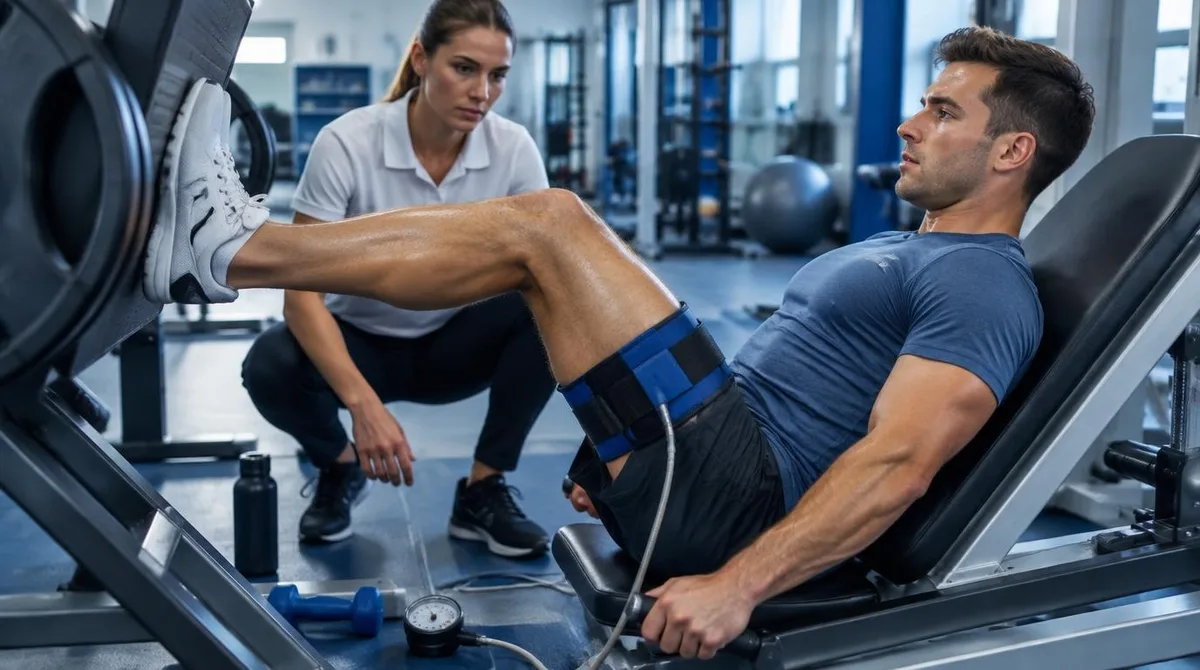
Blood Flow Restriction Training: What the Evidence Actually Supports
Occlusion cuffs promise big gains from light loads. The research is real but narrower than the marketing suggests.
Occlusion cuffs promise big gains from light loads. The research is real but narrower than the marketing suggests.
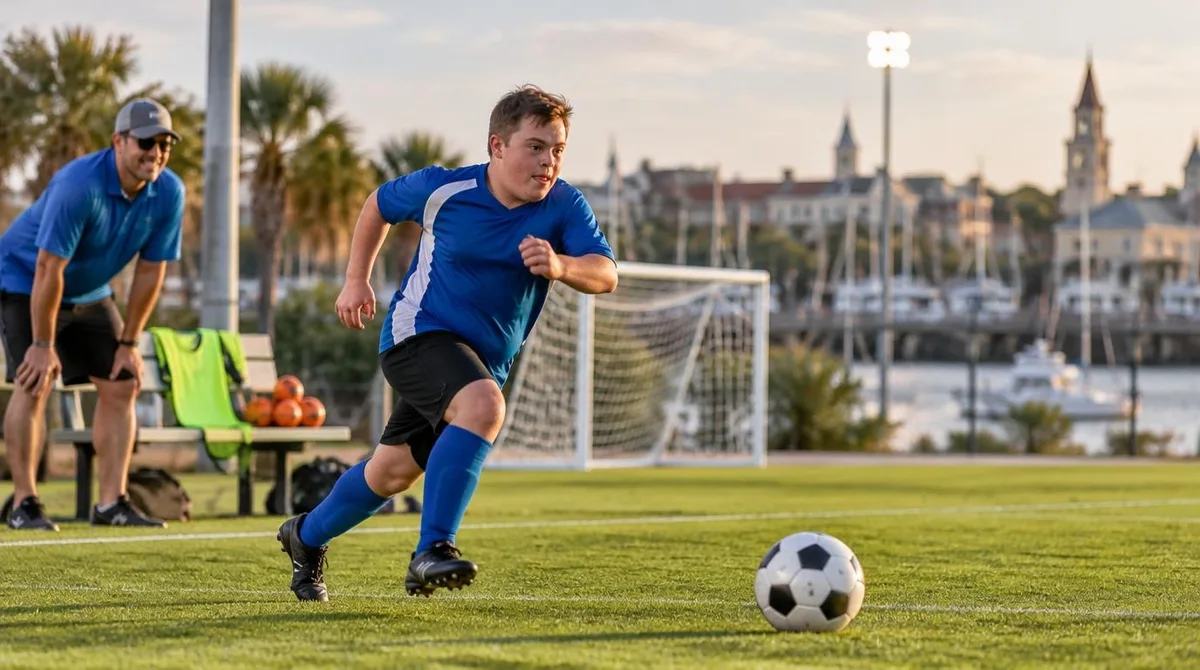
A local competition drew athletes from across South Carolina. The report behind it is thin, but the details that survived are the ones that matter.
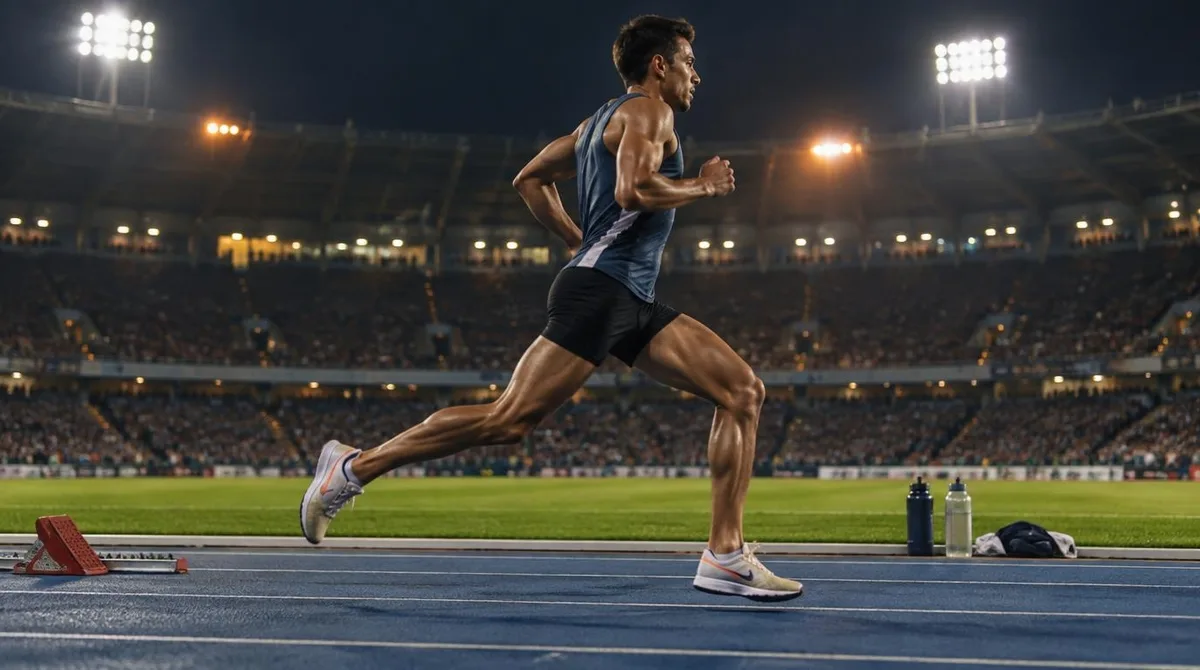
Elite distance runners carry about 79 percent slow-twitch fibers versus 58 percent in untrained men, and sprinters flip the ratio. But two marathoners with 50 and 98 percent slow-twitch fibers ran the same time, so fiber type opens doors rather than crowning winners.
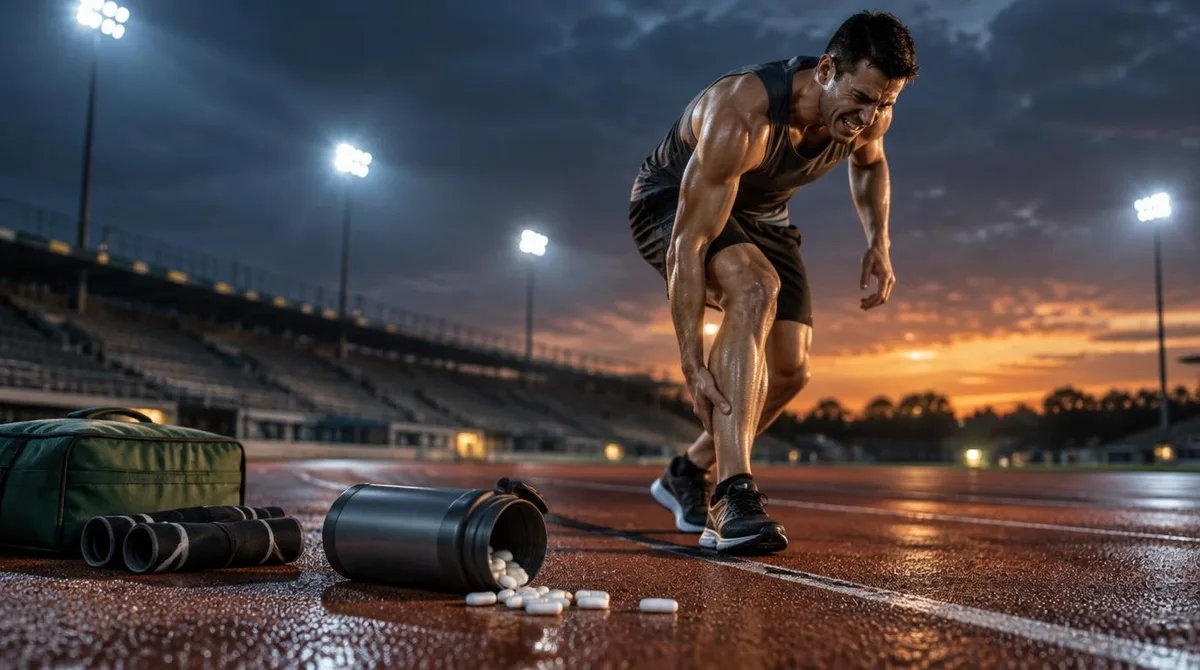
The mineral matters for muscle function. Whether extra capsules make you faster is a different question.
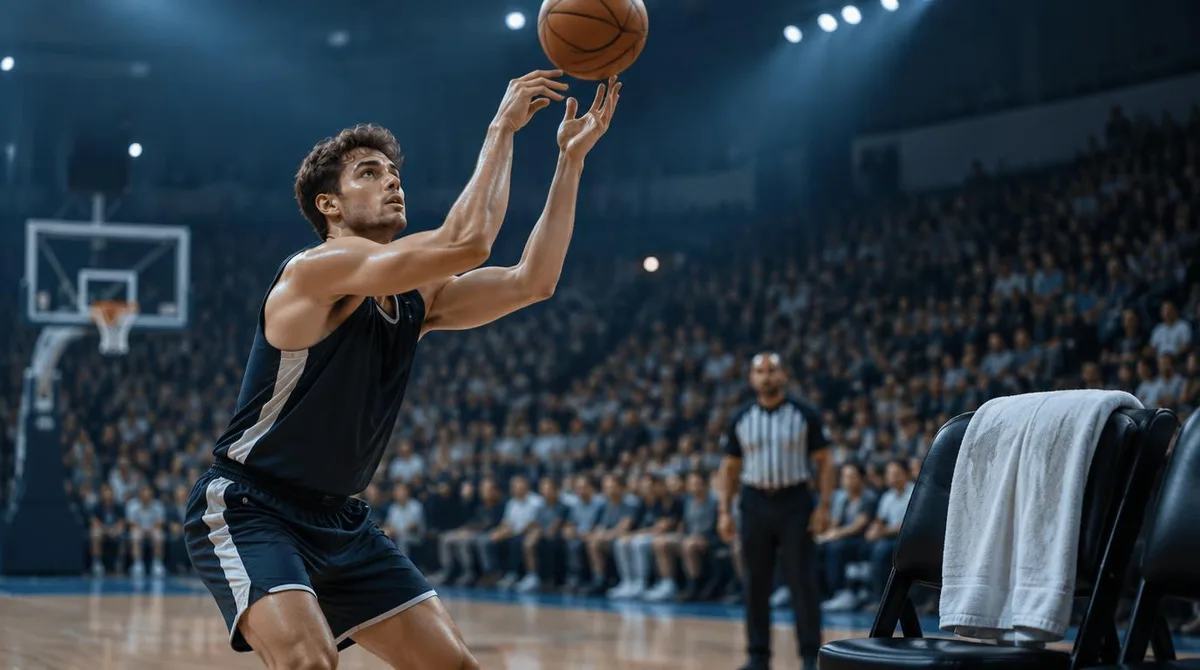
Why skilled athletes fall apart in big moments, what arousal does to attention, and the drills researchers and coaches use to hold it together.
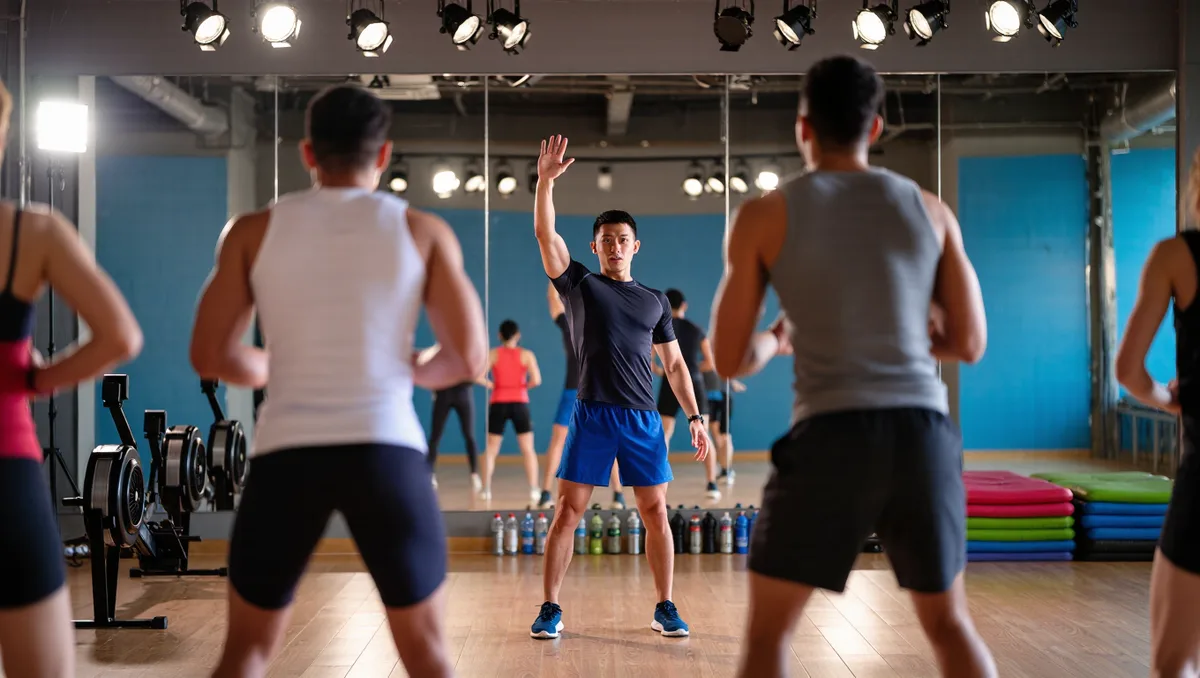
A first group fitness class runs a warm-up, a main block, and a cool-down with an instructor cueing every move. Research finds small gains over solo training and a real role for confidence.
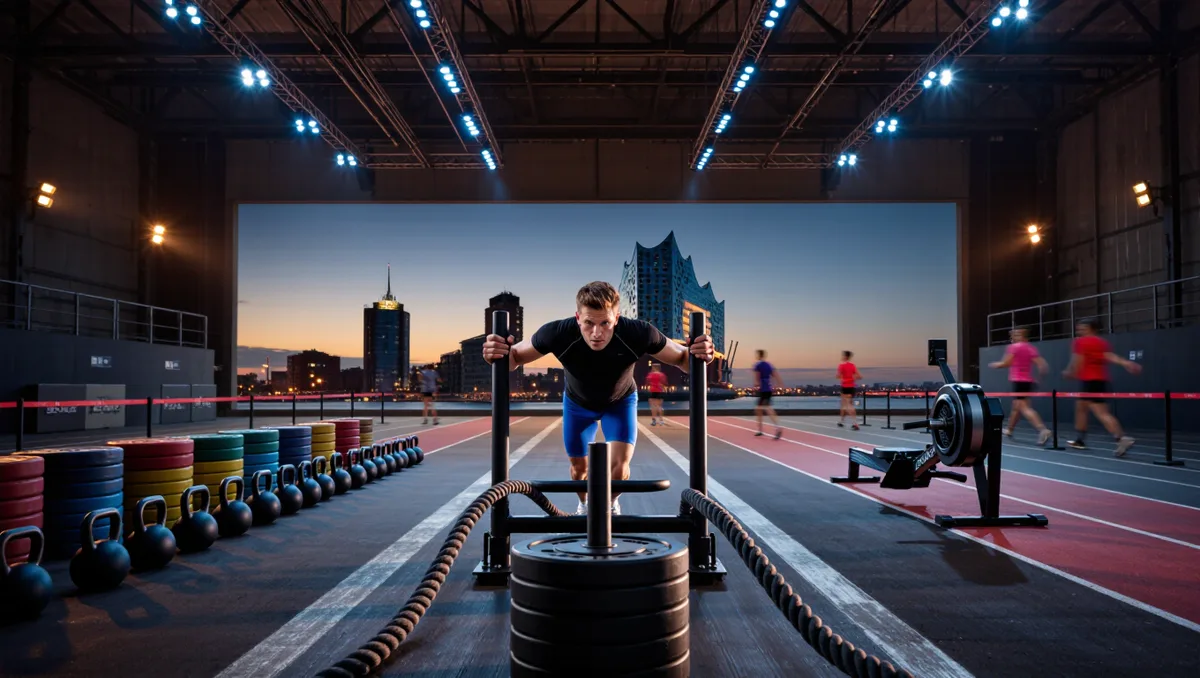
A fixed eight-station race that mixes running and functional work is chasing Olympic status. Here is what the format actually asks of your body.
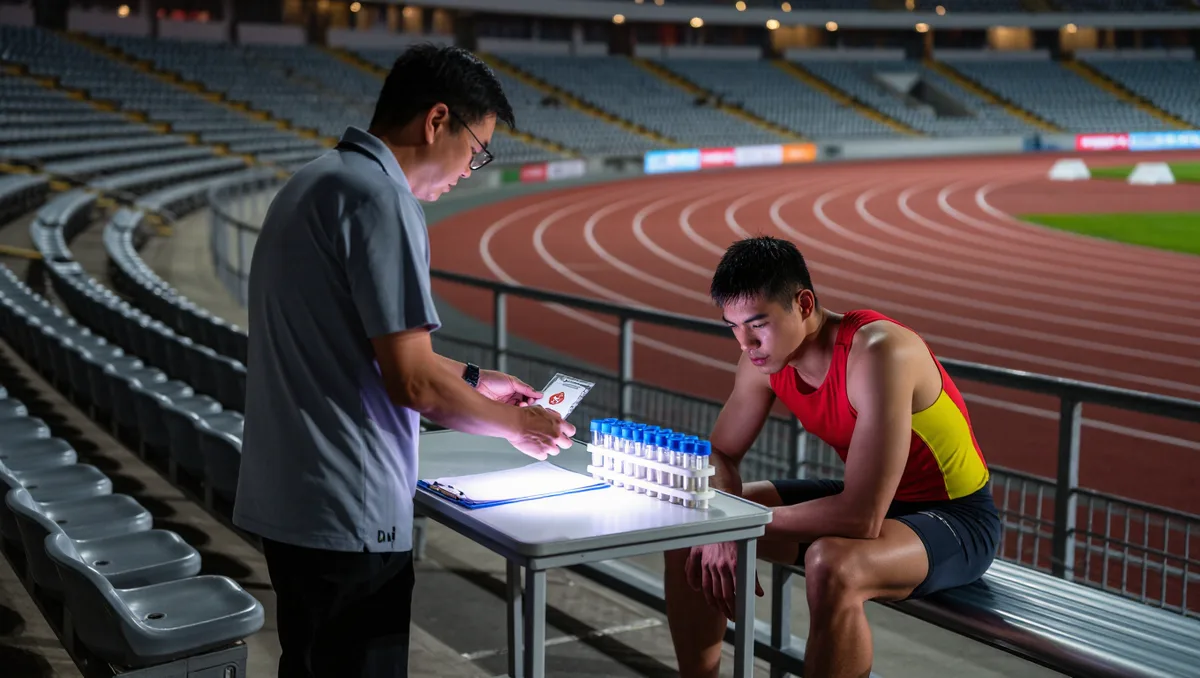
The testing system, the appeal process, and the long road back — explained without the shouting.
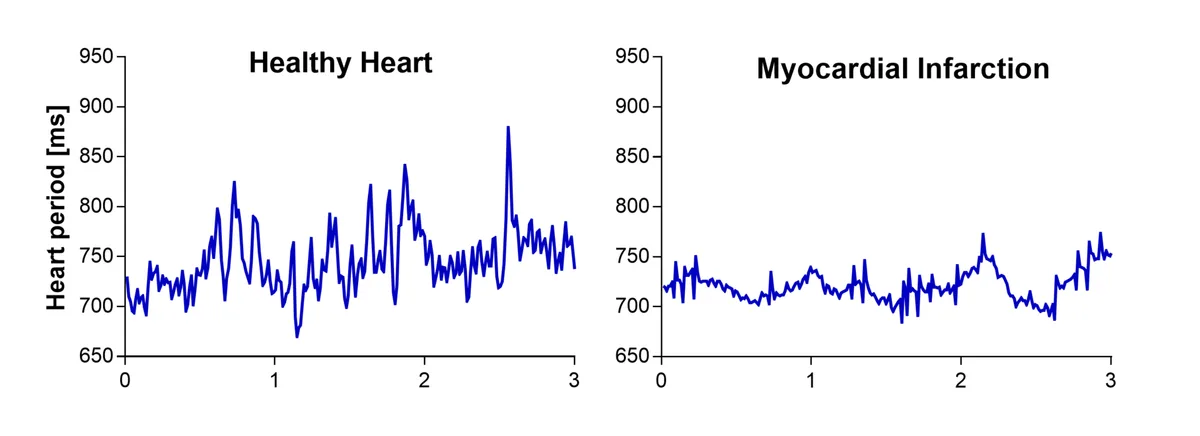
Watches and rings derive heart rate variability from the pulse wave using photoplethysmography, while chest straps read the heart's electrical signal. Studies show the methods agree at rest, with error bars that widen under strain and noise.
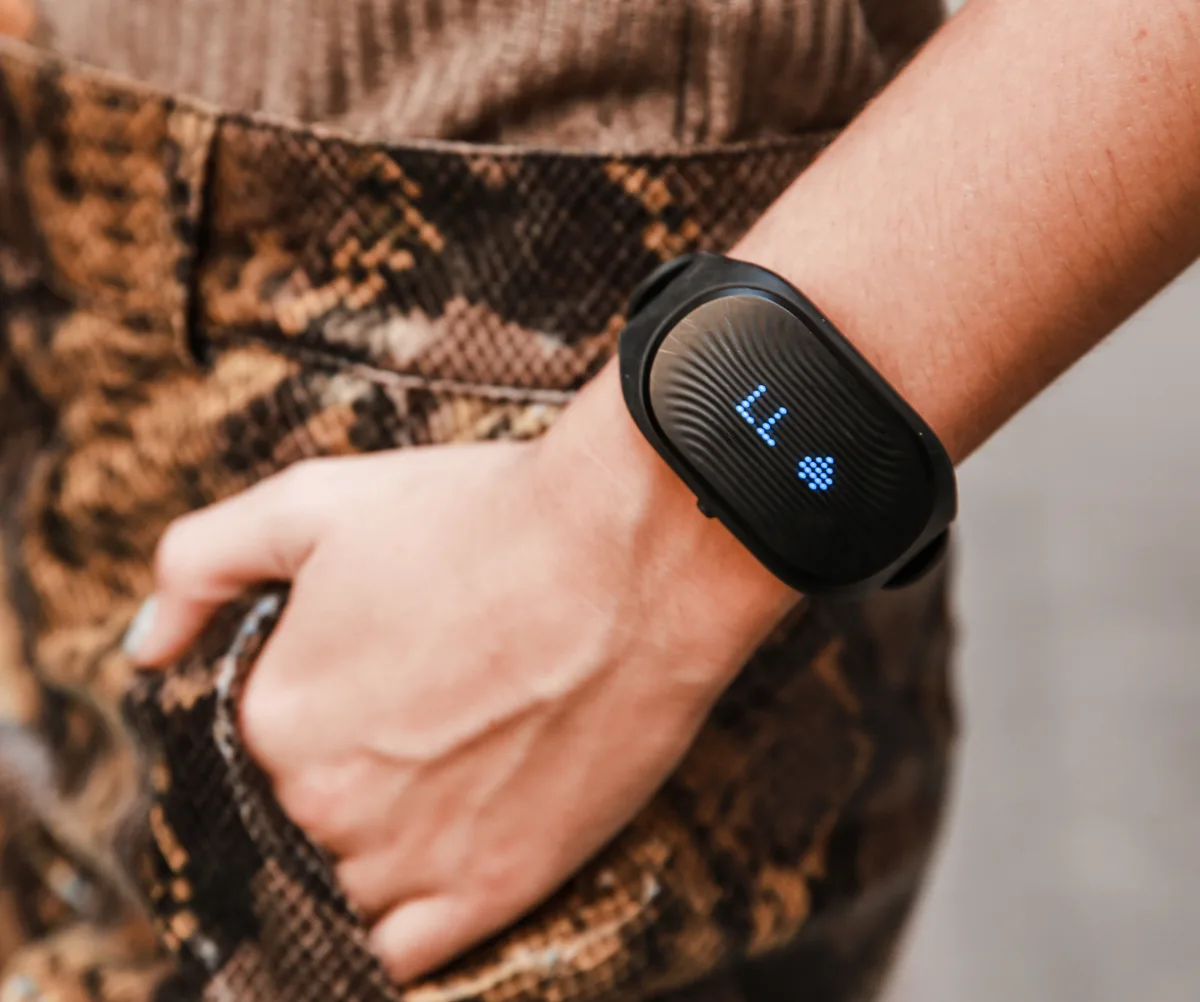
Buy for the number you will act on: heart rate reads close to a chest strap in lab tests, calorie burn does not, and sleep scores work best as weekly trends. Accuracy, features, and comfort decide the right pick.