
Fitness
How Much Protein Do You Actually Need to Build Muscle?
A 2018 meta-analysis of 49 trials and the leading sports-nutrition position stand point to a real number — and it is not the government's baseline recommendation.
Fitness covers general physical preparedness: aerobic and anaerobic conditioning, mobility, body composition, work capacity and session design for people training around jobs and families. Recommendations state the dose, the progression and a realistic timeline. Written for gym members, recreational competitors and coaches who program for busy clients.
Fitness coverage from *** Elite Sports Mag ***.
A 2018 meta-analysis of 49 trials and the leading sports-nutrition position stand point to a real number — and it is not the government's baseline recommendation.
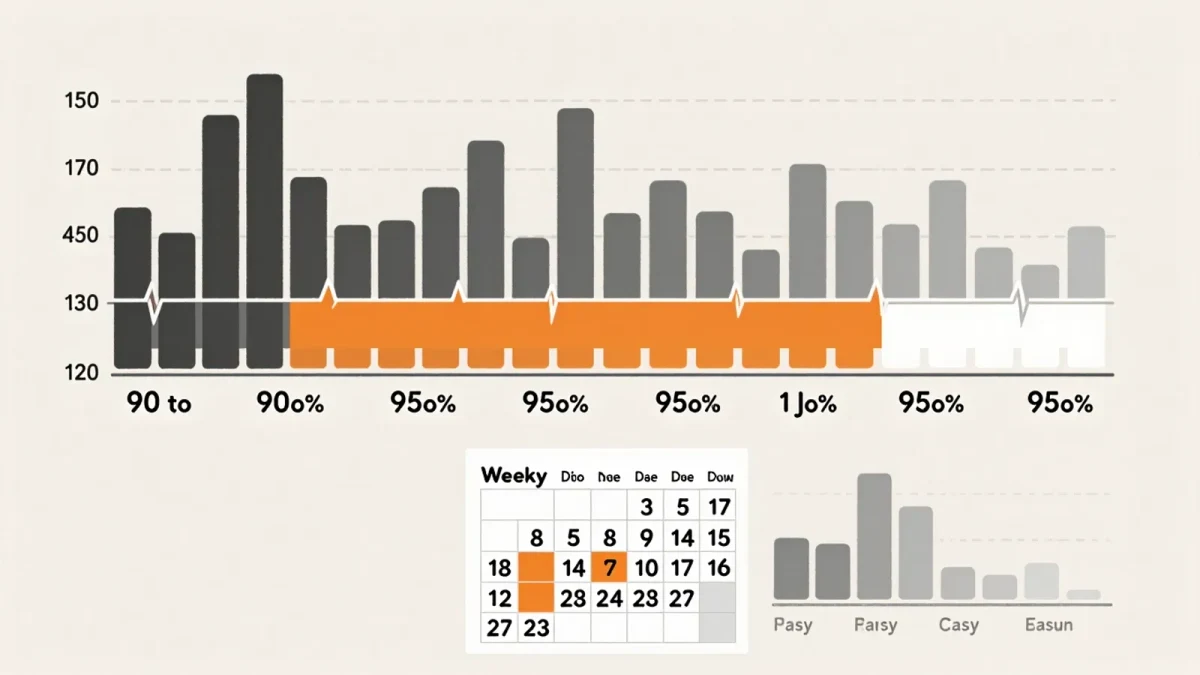
VO2 max responds to training by roughly 10 to 20 percent in most adults, and the protocols that work best share one feature: intervals near 90 percent of maximum heart rate.
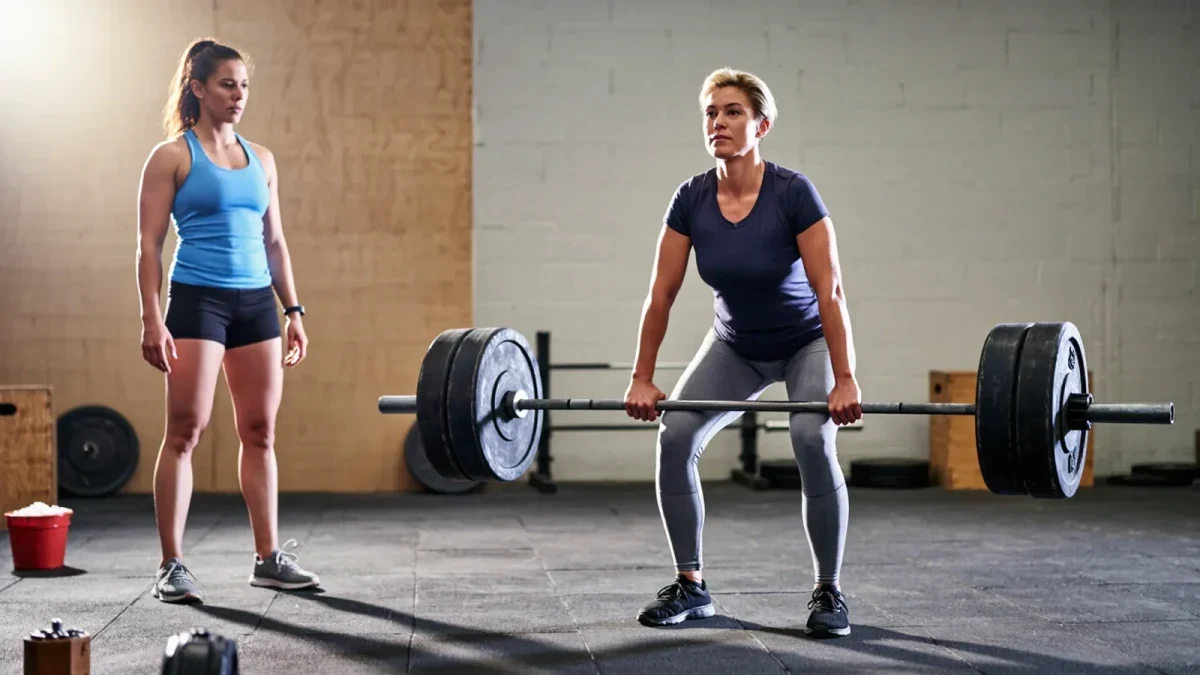
Heavy, progressive lifting is among the best-evidenced tools for protecting bone and muscle after menopause, and the trial results favor intensity over gentleness.
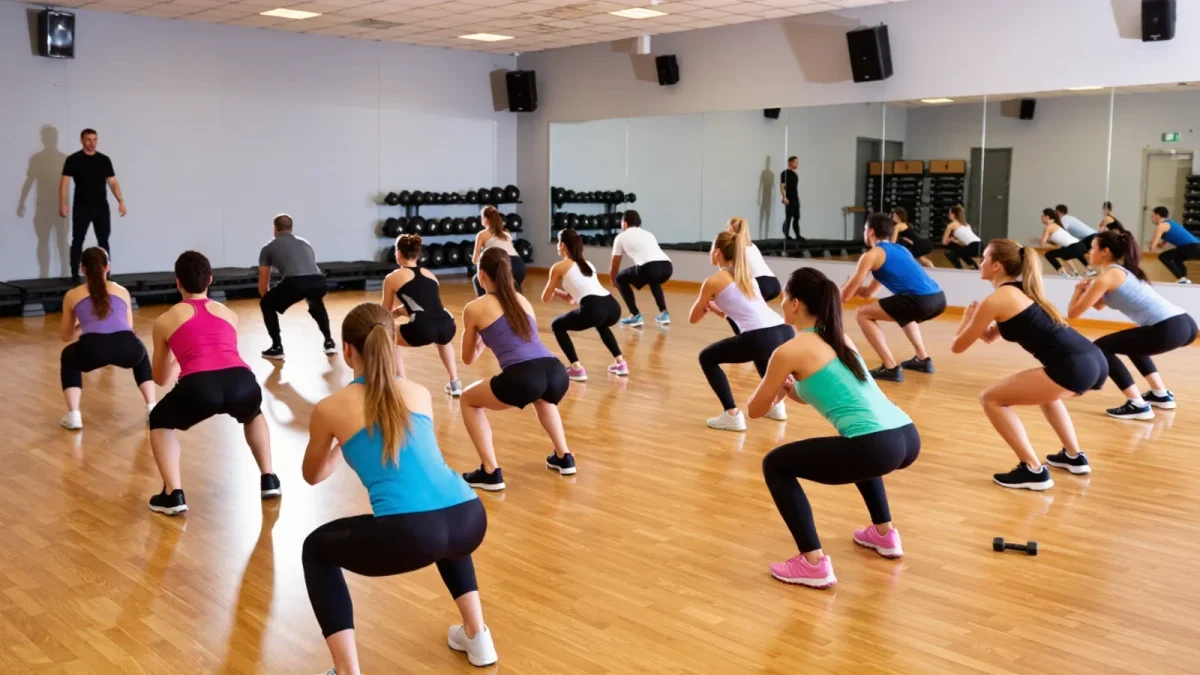
Exercising with others is one of the most reliable adherence boosters in the behavioral literature, and group formats appear to add stress relief and enjoyment on top.
Cutting training volume by 40 to 60 percent for a week preserves fitness while fatigue dissipates, a strategy borrowed from taper research and decades of barbell practice.
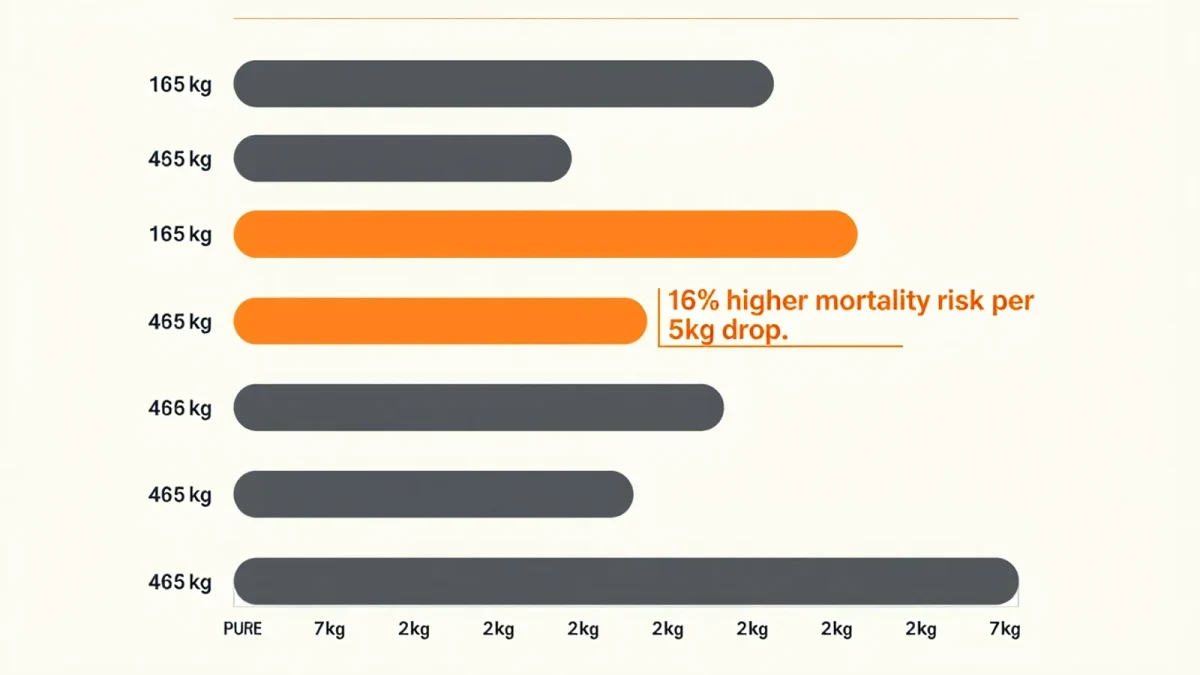
A dynamometer squeeze predicts lifespan about as well as blood pressure does, but the evidence says grip strength is a marker of overall strength, not a magic lever to pull.
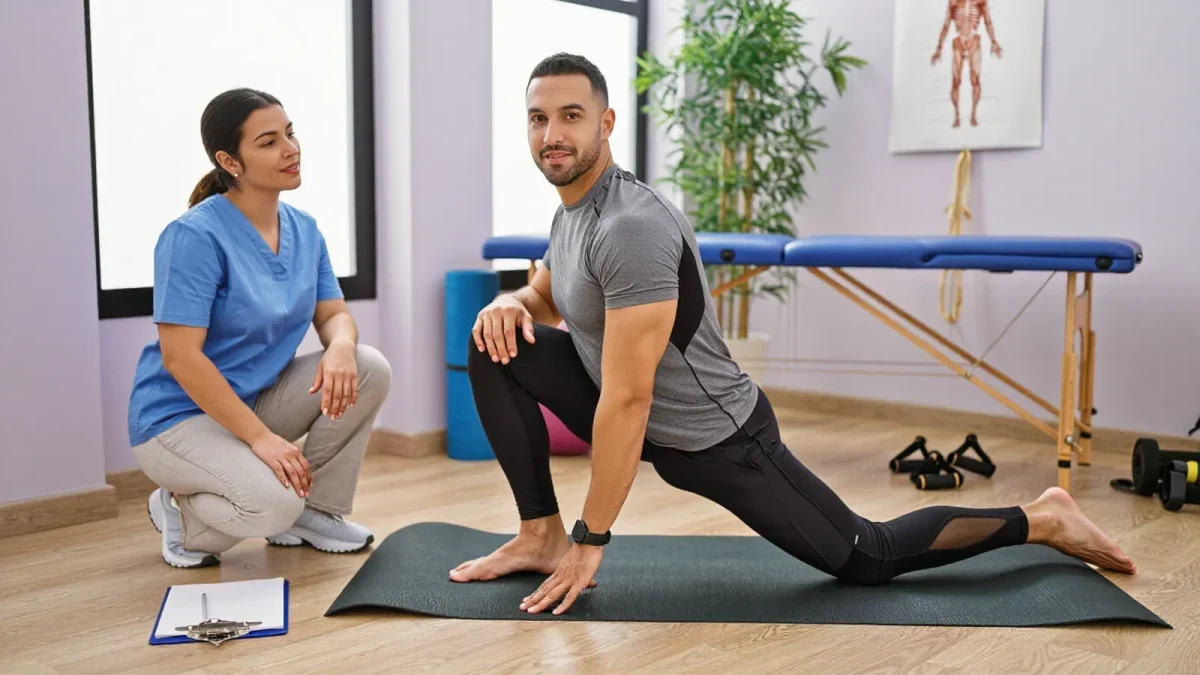
Static stretching reliably increases range of motion, mostly through stretch tolerance, while mobility training trades peak range for movement quality under load.
Most research-tested HIIT programs used two to three hard sessions per week, and pushing past that ceiling buys little added fitness while stress compounds.
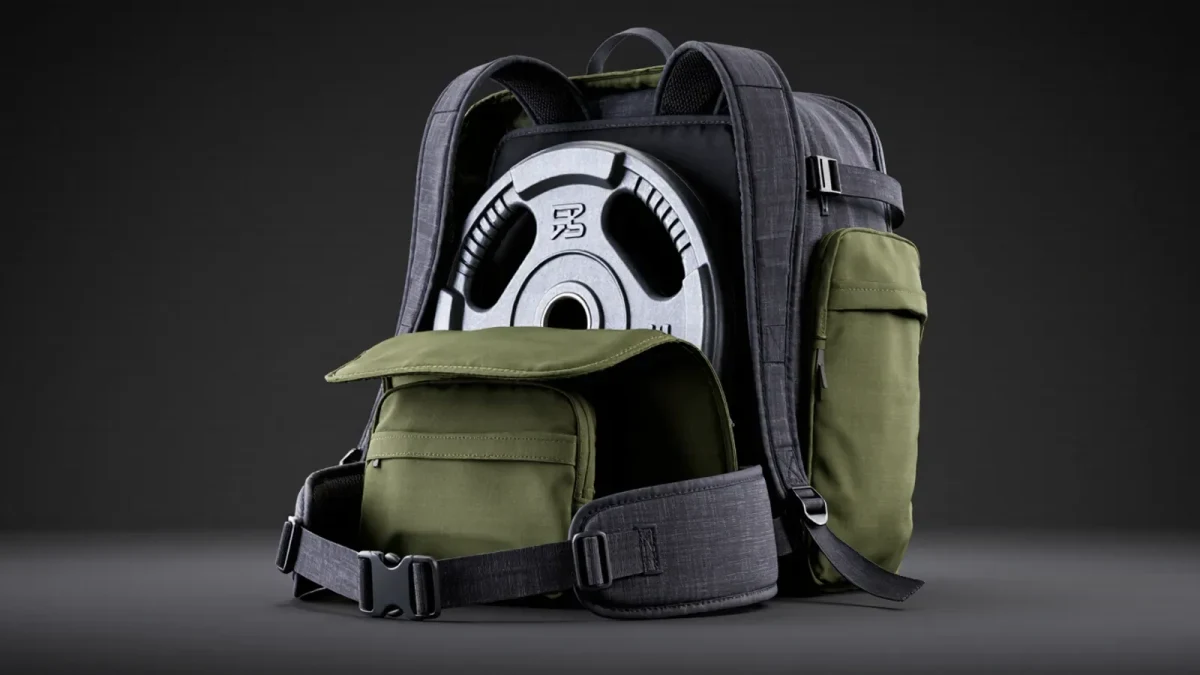
Walking with a weighted pack raises energy cost roughly in proportion to the load, but the civilian evidence base is small and honest about its limits.
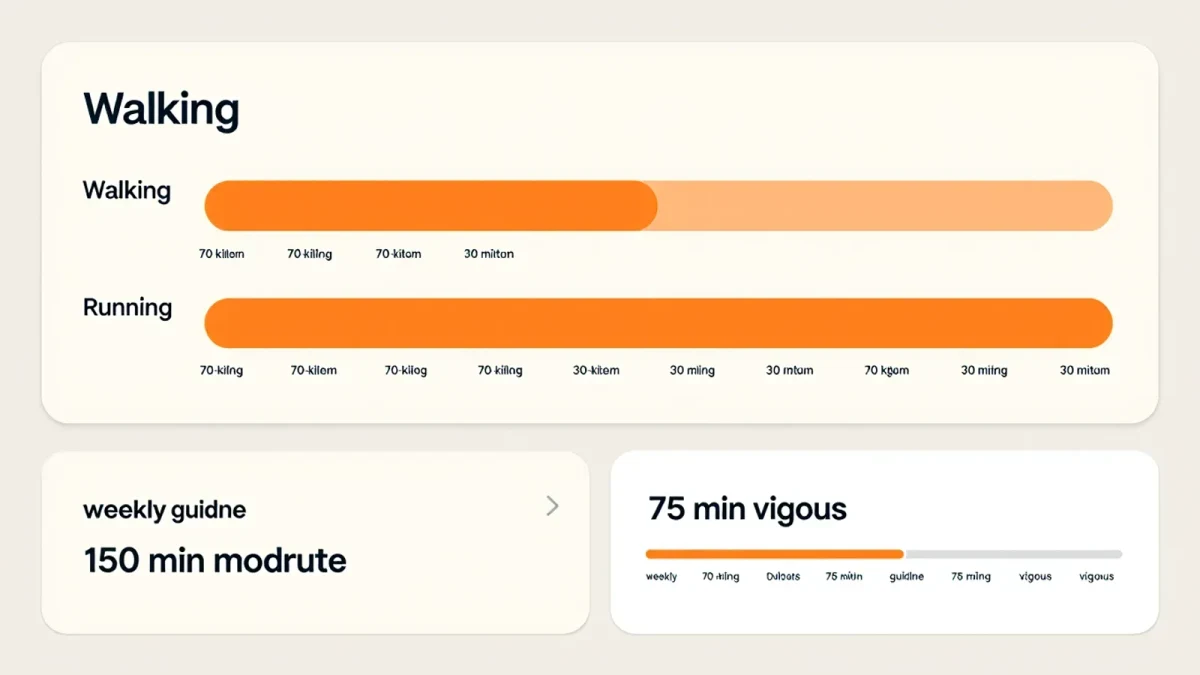
Running delivers roughly twice the fitness stimulus per minute, but matched for energy burned, walkers and runners see surprisingly similar health gains.