Science
How Heat Training Changes Endurance, According to Researchers
Heat training expands plasma volume and can lift endurance performance in weeks — modestly, per small trials — but it takes real heat and real caution.
Science reports the research underlying performance: muscle physiology, energy systems, fatigue, sleep, nutrient timing, heat and altitude adaptation. Summaries include sample size, participant training level, effect size and any conflict of interest. Useful for coaches, clinicians, students and athletes who read the study before changing a program.
Exercise research summarized honestly: muscle physiology, fatigue, sleep, heat and altitude adaptation, with sample sizes and effect sizes given.
Heat training expands plasma volume and can lift endurance performance in weeks — modestly, per small trials — but it takes real heat and real caution.

Decades of trials point to real strength and power gains from creatine monohydrate — but the effect size depends on who's taking it, and the kidney fears haven't held up.
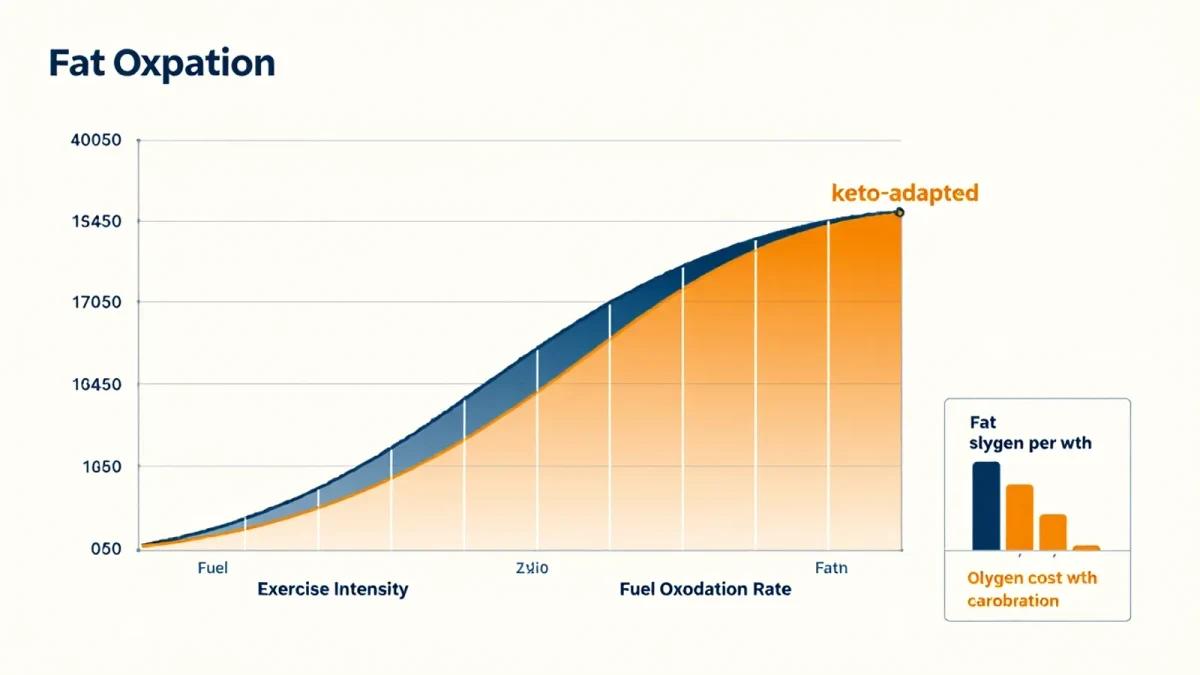
Low-carb training genuinely rewires fat burning — and in controlled trials with elite endurance walkers, it either matched or slightly worsened race performance.

The supercompensation model explains why timed recovery produces gains — and modern physiologists treat it as a useful simplification, not a law.
Training around the menstrual cycle sounds like precision sport science — the studies behind it are too small and too inconsistent to prescribe from yet.
Roughly 3 to 6 milligrams per kilogram of body weight improves endurance and power in most adults — with sleep disruption, not habituation, as the main cost.
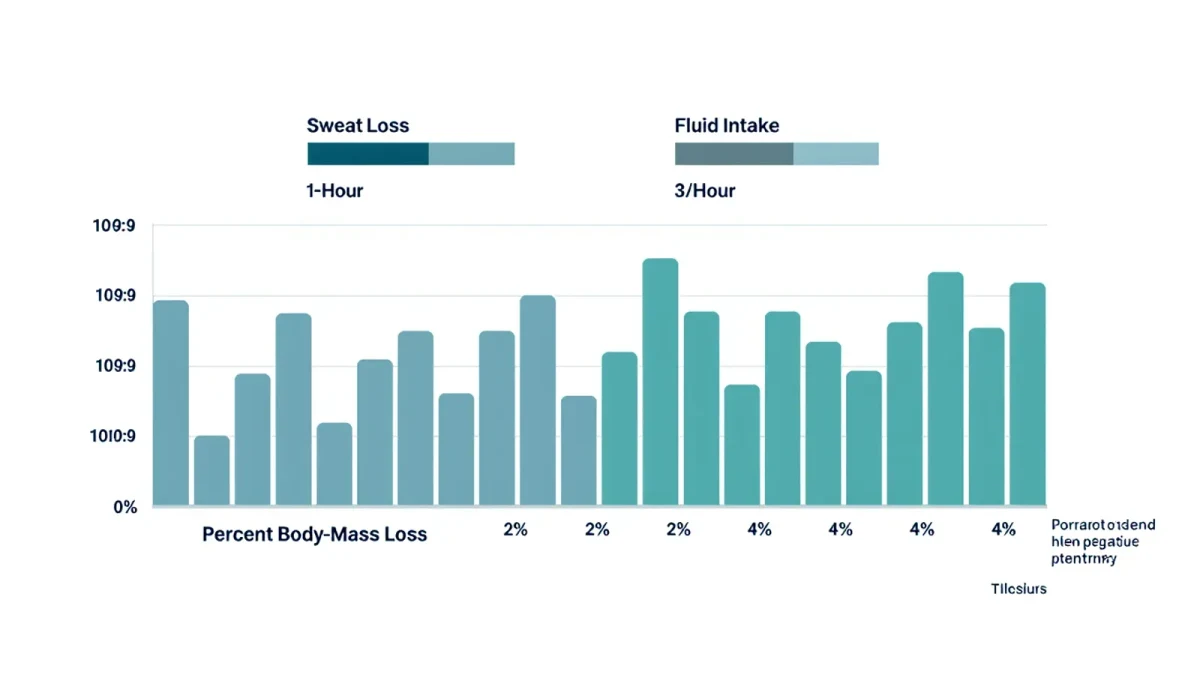
Drinking to thirst covers most training sessions; losing more than about 2 percent of body weight measurably costs performance — and sports drinks solve a narrower problem than their shelf space implies.
EPOC — the post-exercise oxygen consumption behind the afterburn myth — is real, measurable and roughly 6 to 15 percent of the energy your workout burned.
Sleeping high and training low can lift sea-level endurance by a few percent — for responders who log enough hours up, for long enough.

Eating protein soon after training helps, but the window is hours wide — and total daily protein matters far more than any clock.