Science
How Heat Training Changes Endurance, According to Researchers
Heat training expands plasma volume and can lift endurance performance in weeks — modestly, per small trials — but it takes real heat and real caution.
Exercise research summarized honestly: muscle physiology, fatigue, sleep, heat and altitude adaptation, with sample sizes and effect sizes given.
Heat training expands plasma volume and can lift endurance performance in weeks — modestly, per small trials — but it takes real heat and real caution.

Decades of trials point to real strength and power gains from creatine monohydrate — but the effect size depends on who's taking it, and the kidney fears haven't held up.
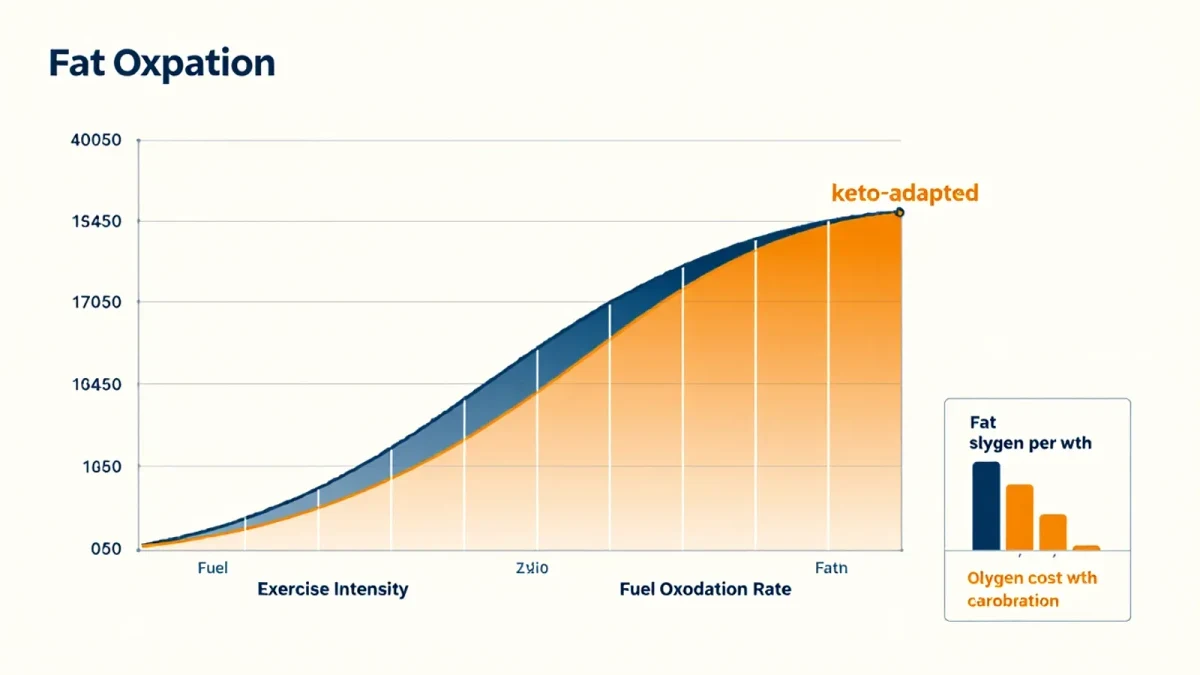
Low-carb training genuinely rewires fat burning — and in controlled trials with elite endurance walkers, it either matched or slightly worsened race performance.

The supercompensation model explains why timed recovery produces gains — and modern physiologists treat it as a useful simplification, not a law.

Training around the menstrual cycle sounds like precision sport science — the studies behind it are too small and too inconsistent to prescribe from yet.
Roughly 3 to 6 milligrams per kilogram of body weight improves endurance and power in most adults — with sleep disruption, not habituation, as the main cost.