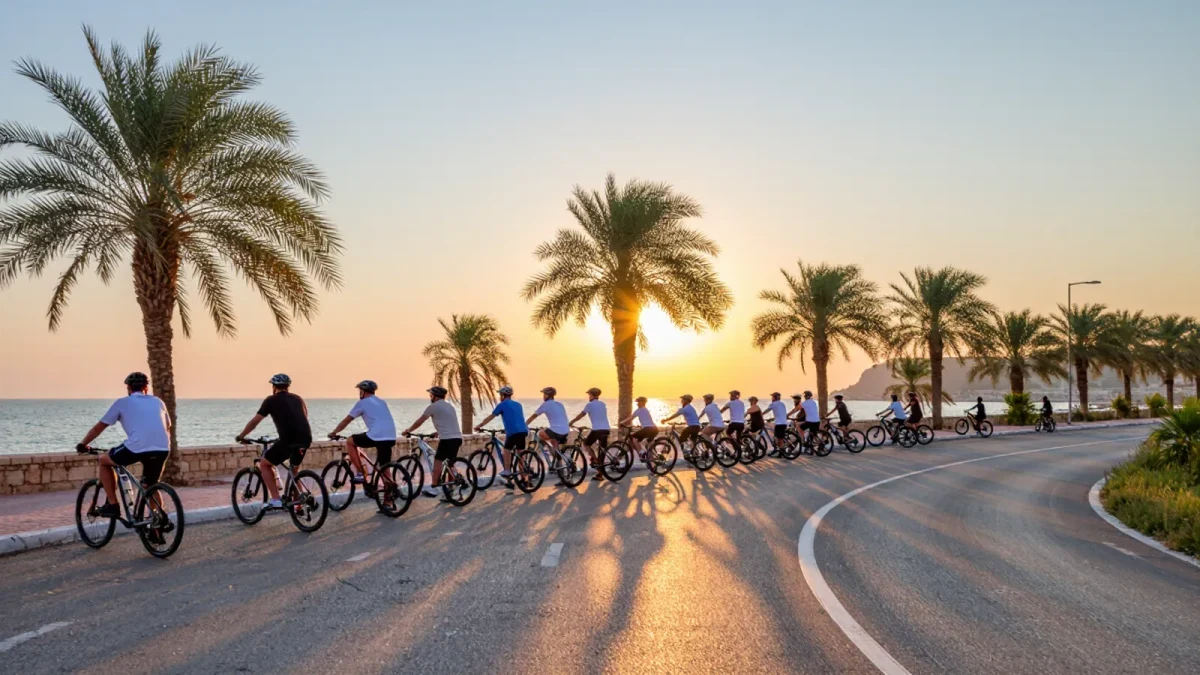
The 2026 Tour de France opened in Barcelona on July 4, 2026, with a 19.6-kilometer team time trial along the Mediterranean coast that Visma-Lease a Bike won, putting Jonas Vingegaard in the yellow jersey as he pursues a third Tour title, per Reuters' stage report. The stage ran between the Forum and the Olympic Stadium, and 184 riders across 23 teams started the race's first-ever grand depart in Catalonia.
The stage used a new relay format: instead of riding the full distance together, each team's riders relayed the 19.6-kilometer course, a format change the race organization presented with the route on October 23, 2025. Team presentations had been held in front of the Sagrada Familia on July 2.
What makes a team time trial so decisive?
A team time trial trades individual speed for collective choreography. Riders take pulls at the front, then swing off and reattach to the back of the line, and the team is timed on the group, effectively its fourth or fifth rider across the line. The aerodynamic shelter of a well-drilled line saves enormous energy, but one weak rider or one mistimed rotation can cost seconds per kilometer.
That arithmetic is why stage 1 mattered beyond its ceremonial role. General classification contenders who lost time in Barcelona started the three-week race with a deficit their teams must claw back in the mountains, while Visma's win banked an early cushion and a psychological edge.
Related stories: Giro d'Italia Opens in Bulgaria as Magnier Takes Stage 1 · World Cup 2026 Opens at Azteca With Mexico Win.
Why did the Tour change the format?
Race organizers have spent years searching for opening stages that decide something without deciding everything. A flat individual time trial spreads riders by raw power; a full team time trial rewards drilled squads and can unfairly punish riders on weaker teams. The relay format is a compromise, keeping the team discipline while limiting the total time at risk.
The first week's road stages then continue through Catalonia and the Pyrenees, per the published route, with stage 2 running 168.5 kilometers from Tarragona back to Barcelona on July 5.
What should training-minded riders take from it?
Team time trialing is the purest public demonstration of paceline skills that recreational riders use every weekend: smooth pulls at threshold, steady speed through rotations, and discipline not to surge when hitting the front. The pros make it look routine because it is practiced, measured and rehearsed down to which rider accelerates where.
The race continues toward its conclusion in late July, with the overall standings to be settled in the high mountains. What Barcelona settled, on July 4, was the opening order: Visma first, Vingegaard in yellow, and every rival team recalculating where to take the time back.
For more context, read Giro d'Italia Opens in Bulgaria as Magnier Takes Stage 1.
For more context, read world cup 2026 opener.
For more context, read How the NFL Actually Breaks a Playoff Tie.